
As the demand for data processing and storage continues to grow, data centers are increasingly seeking sustainable and reliable energy solutions to power their operations.
Traditional energy sources, such as fossil fuels, are no longer sufficient due to their environmental impact, making the transition to renewable energy sources crucial for long-term sustainability.
This shift to green energy is not only about reducing carbon emissions but also about achieving energy stability and security, especially for high-density computing needs like:
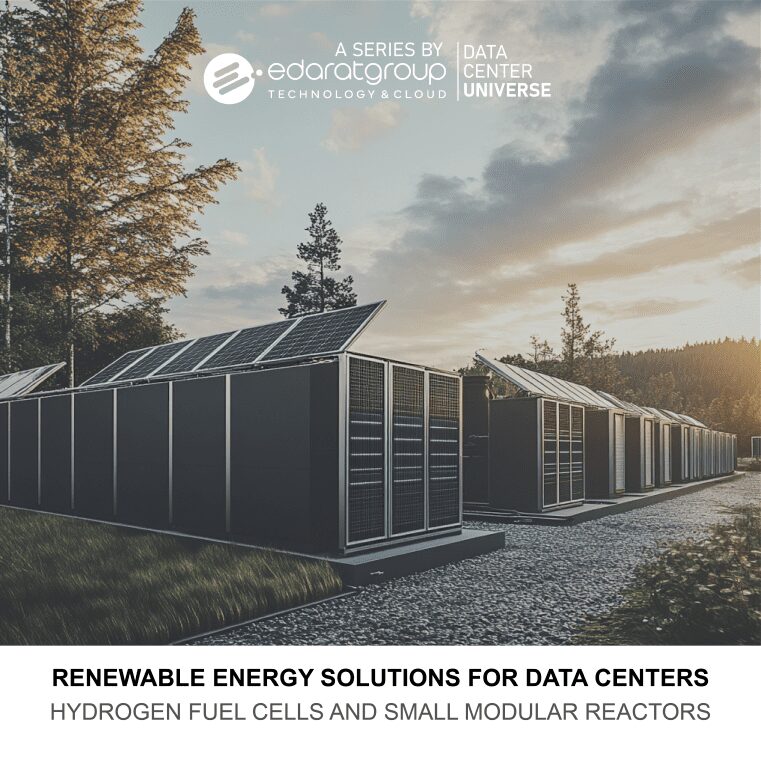
Among the emerging technologies, hydrogen fuel cells and small modular reactors (SMRs) are showing significant potential and are considered promising solutions toward carbon-neutral data centers.
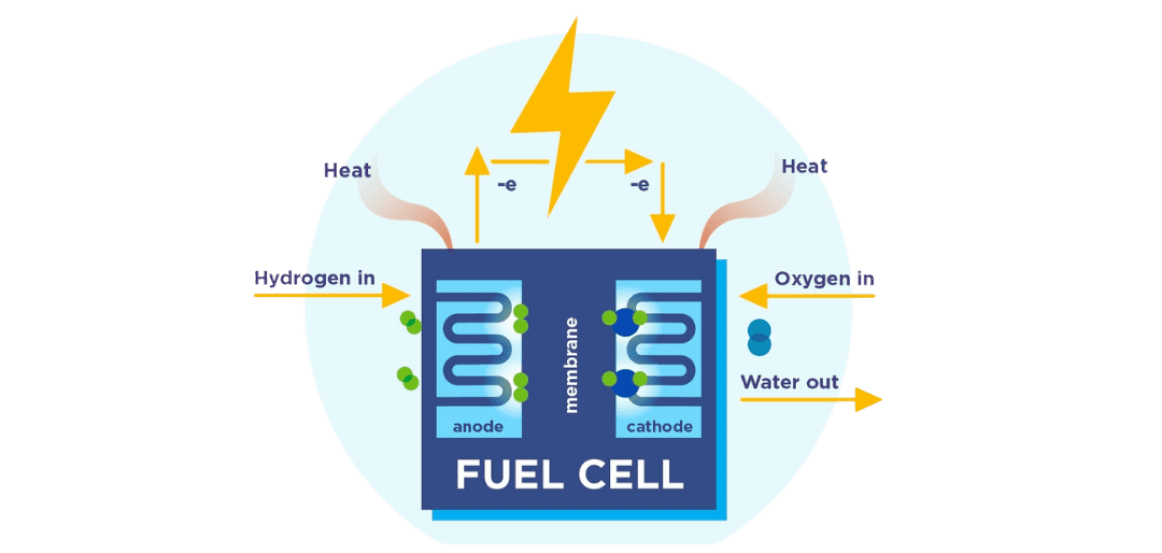
Hydrogen fuel cells offer a promising avenue for data centers aiming to reduce their carbon footprints. These cells generate electricity through a chemical reaction between hydrogen and oxygen, emitting only water and heat as by-products.
This clean energy source can serve as a reliable backup power solution for data centers, which traditionally rely on diesel generators.
The shift towards hydrogen as a key energy transition technology is backed by significant investment. Industry reports by the Hydrogen Council indicate that over $300 billion is projected to be invested in hydrogen projects by 2030.
This investment reflects the growing interest in hydrogen’s potential to decarbonize sectors like data centers, aligning with the broader goals of major tech companies like Google and Amazon.
Green hydrogen and fuel cells represent a promising future for achieving a sustainable energy solution.
Green hydrogen is produced through electrolysis of water using renewable sources of power (like hydro, wind, or solar), resulting in hydrogen gas without carbon emissions.
Fuel cells, on the other hand, are devices that convert chemical energy from hydrogen directly into electricity without emitting any greenhouse gases.
Although hydrogen has a very high energy content, approximately 33.33 kWh/Kg, the actual usable energy conversion depends on the efficiency of the electrolysis process, fuel cells, and the operating conditions.
The two most popular systems are:
📌 SPARK has developed a detailed study about hydrogen production that is recommended for further reading.
🪟Microsoft
Microsoft successfully tested hydrogen fuel cells, powering a data center for 48 hours.
Such tests underscore hydrogen’s potential for both reducing carbon emissions and offering long-duration backup power.
🏢Equinix
Equinix is exploring the deployment of hydrogen fuel cells at its Dublin data center in collaboration with ESB and GeoPura.
A demonstration Hydrogen Power Unit (HPU) by GeoPura was showcased at Equinix’s Dublin site, providing a glimpse into a future with zero-carbon technology.
The HPU can deliver:
While this demonstration is not yet a permanent solution, Equinix is actively planning to expand its use of hydrogen fuel cell technology in the coming years to further support sustainable digital infrastructure.
Peter Lantry, Equinix Ireland’s Managing Director, emphasized the company’s commitment to carbon-neutral solutions through this initiative.
GeoPura, known for its hydrogen fuel solutions, aims to replace diesel generators with its hydrogen-powered units across various industries, contributing to a broader transition to renewable energy.
The use of hydrogen fuel cells in data centers has the potential to support large-scale computing environments with minimal environmental impact.
With advancements in fuel cell technology, hydrogen-powered backup systems could become a key component of data center infrastructure, aligning with sustainability goals and reducing dependence on fossil fuels.
However, challenges such as hydrogen storage, infrastructure, and production costs remain, requiring further research and development.
Hydrogen fuel cells require careful management due to hydrogen’s flammable nature.
Solutions that integrate advanced safety systems and control processes are crucial for securing large-scale hydrogen production and storage.
This is especially important as data centers transition towards hydrogen as a primary or backup power source, ensuring that operations remain safe while scaling up to meet demand.
Nuclear energy is a reliable and carbon-free power source, delivering continuous large-scale energy. Unlike solar or wind, it remains unaffected by weather conditions, ensuring stable energy output.
As data centers continue to consume vast amounts of electricity, nuclear power emerges as a transformational energy solution, helping to meet rising energy demands while reducing carbon footprints and supporting a more sustainable future.
While challenges exist—such as radioactive waste management and public safety concerns—modern nuclear reactors are designed with advanced safety measures and waste recycling technologies to mitigate these risks.
Small Modular Reactors (SMRs) are emerging as a preferred energy solution for hyperscalers and AI-driven data centers.
Unlike traditional large-scale nuclear plants, SMRs offer:
✅ Consistent and reliable energy output
✅ Lower carbon emissions
✅ A compact physical footprint
✅ Scalability to complement intermittent renewable sources like wind and solar
By integrating SMRs, data centers can ensure uninterrupted, clean energy, even during high computing loads or periods of fluctuating renewable energy supply.
SMRs are a smaller, scalable alternative to traditional nuclear reactors, specifically designed to generate up to 300 megawatts of electricity (MWe)—ideal for localized power generation, including data centers.
Each modular unit consists of:
🔹 A reactor core
🔹 Control rods for managing fission reactions
🔹 A steam generator for power conversion
The process works as follows:
1️⃣ Nuclear fission occurs, splitting atomic nuclei to release energy.
2️⃣ The energy heats water to create steam.
3️⃣ The steam drives a turbine connected to a generator to produce electricity.
Unlike conventional reactors, SMRs are factory-built and transported to sites for assembly, enabling faster deployment and cost efficiency.
By leveraging SMR technology, data centers can achieve sustainable, stable, and scalable energy solutions, making them a key pillar in the transition toward carbon-neutral digital infrastructure.
Their smaller size allows for enhanced safety features, such as passive cooling systems that do not require active intervention to manage heat, reducing the risk of overheating. Additionally, SMRs offer flexibility in deployment, making them suitable for providing steady, carbon-free power to smaller grids or specific facilities like data centers.
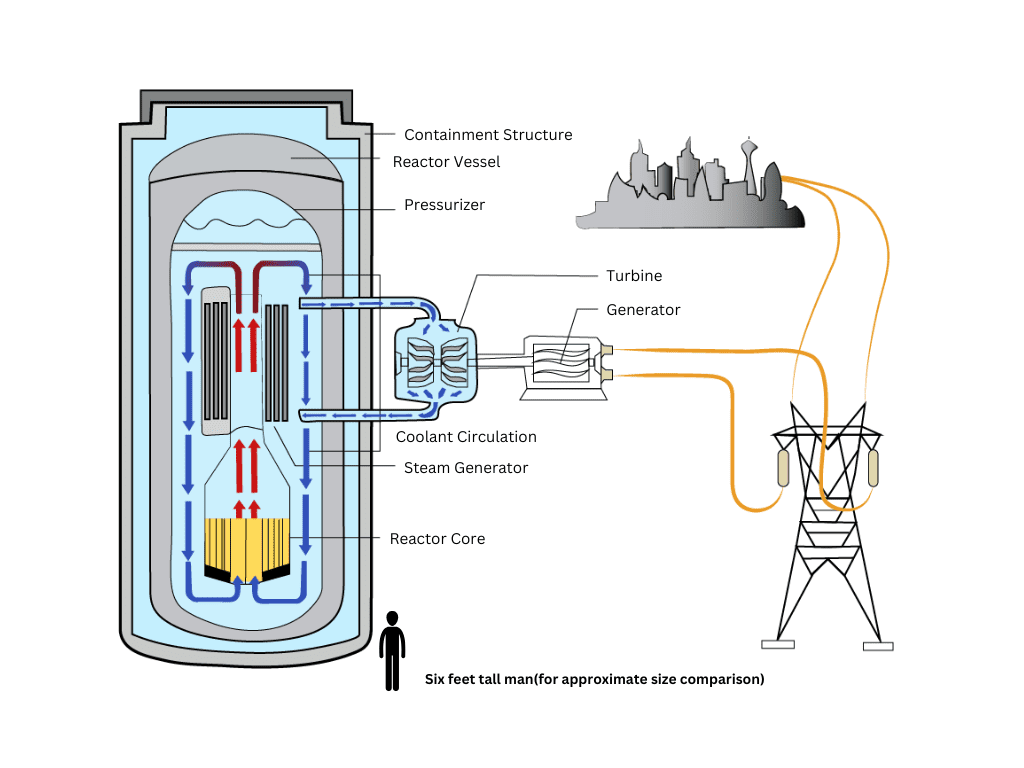
📌 Figure 4 – Department of Energy Documentation (GAO-15-652)
Google has partnered with Kairos Power to integrate SMR technology into its data centers.
The company aims to add 500 MW of 24/7 carbon-free power to U.S. electricity grids by 2030, with further expansion by 2035.
⚡Standard Power
Standard Power plans to develop two SMR-powered facilities in Ohio and Pennsylvania, scheduled to be operational by 2029.
These projects will produce nearly 2 GW of clean energy using NuScale Power’s certified SMR technology.
☁️Amazon Web Services (AWS)
AWS is actively exploring Small Modular Reactors (SMRs) to power its expanding data center operations.
The deployment of hydrogen fuel cells and SMRs offers several advantages for data centers:
Energy Reliability
Both hydrogen fuel cells and SMRs can provide consistent and reliable power, minimizing the risks of outages that could disrupt data center operations.
Sustainability
These technologies significantly reduce carbon emissions compared to fossil fuels, helping data centers achieve their sustainability goals.
Scalability
SMRs in particular, offer a scalable solution for localized power generation, enabling data centers to adjust capacity based on energy needs while maintaining a lower environmental impact.
While hydrogen fuel cells excel as backup power sources, SMRs are poised to address the challenge of providing a stable baseload for larger data center operations. The combination of these technologies offers a holistic approach to renewable energy integration, positioning data centers as leaders in the transition to a sustainable energy future.
The potential of nuclear-powered electrolysis for hydrogen production is gaining significant attention.
A recent study conducted by Topsoe, Rolls-Royce SMR, ULC-Energy, and KYOS explored the use of Solid Oxide Electrolysis Cells (SOECs) powered by SMRs to produce clean hydrogen at a cost of less than €3.5/kg ($3.8/kg).
The study revealed that SOECs could produce more hydrogen per total power input compared to conventional electrolyzers. The combination of SMRs with SOECs presents an opportunity to deliver higher hydrogen output annually due to their enhanced efficiency.
This approach leverages steam from SMRs, which can be directly supplied to SOEC plants through heat exchangers, significantly increasing the efficiency of the electrolysis process.
Dirk Rabelink, CEO of ULC-Energy, emphasized that this method showcases nuclear power’s capability to produce “low-cost, clean hydrogen at an industrial scale.”
The study also indicates that by 2050, the cost of SMR-SOEC hydrogen production could be reduced to less than €2/kg ($2.17/kg).
This potential cost reduction is attributed to the flexibility in curtailing hydrogen production during periods of high electricity demand, allowing excess energy to be redirected to the grid.
As renewable energy sources like wind and solar become more prevalent, the ability to adapt hydrogen production in response to market conditions will be increasingly valuable.
This advancement in nuclear-powered hydrogen production, alongside ongoing hydrogen fuel cell developments, positions the data center industry to benefit from cleaner and more efficient energy sources.
By integrating these technologies, data centers can better meet their growing energy needs while staying aligned with global decarbonization goals.

The cost of electricity varies significantly depending on the energy source, location, and technological advancements. Understanding these costs is crucial for data centers, which are energy-intensive operations, to make informed decisions on energy sourcing that align with sustainability goals.
Renewable sources like solar and wind have seen a drastic decrease in costs over the past decade due to advancements in technology and increased deployment. As of recent estimates, the levelized cost of electricity (LCOE) from solar PV and onshore wind is now competitive with, or even lower than, that of traditional fossil fuels in many regions. Solar PV for instance can produce electricity at costs as low as $0.05 per KWh in optimal conditions, making it an attractive option for powering green hydrogen production and data centers.
The cost of producing hydrogen through electrolysis is heavily dependent on the cost of electricity used. Electrolysis using renewable energy sources like wind or solar is essential to maintain the “green” classification of hydrogen. Studies suggest that using nuclear-powered electrolysis through Solid Oxide Electrolysis Cells (SOECs) could produce hydrogen at less than €3.5/kg ($3.8/kg) making it a potentially cost-effective option for data centers seeking to integrate hydrogen as a fuel source.
Small Modular Reactors (SMRs) are designed to provide stable, carbon-free baseload power, with costs estimated to range between $90-160 per MWh depending on the region, capacity and regulatory environment. Though initial capital costs for SMRs can be higher than other sources, their long operational life and ability to provide consistent energy make them a competitive choice for industries like data centers that require uninterrupted power.
Despite their environmental impact, fossil fuels such as natural gas and coal have traditionally been reliable sources of electricity. However, the volatility of fuel prices, along with carbon pricing mechanisms, has led to higher operational costs for coal and natural gas power plants in recent years. This makes renewable and nuclear options increasingly attractive for data centers aiming for long-term energy stability.
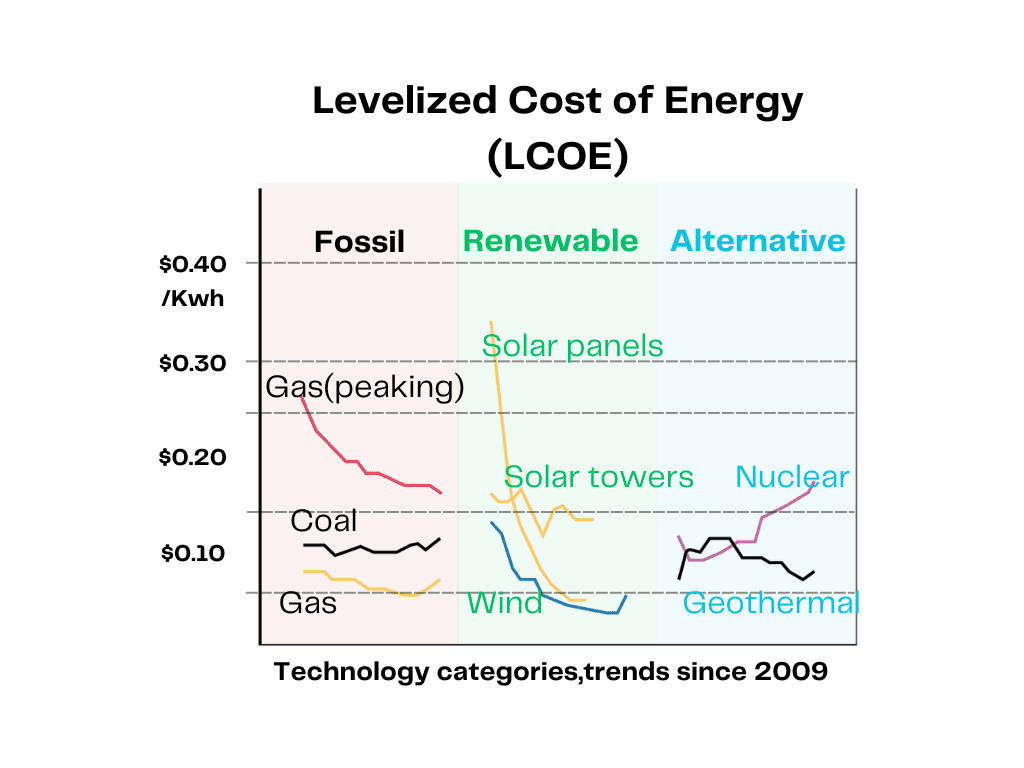
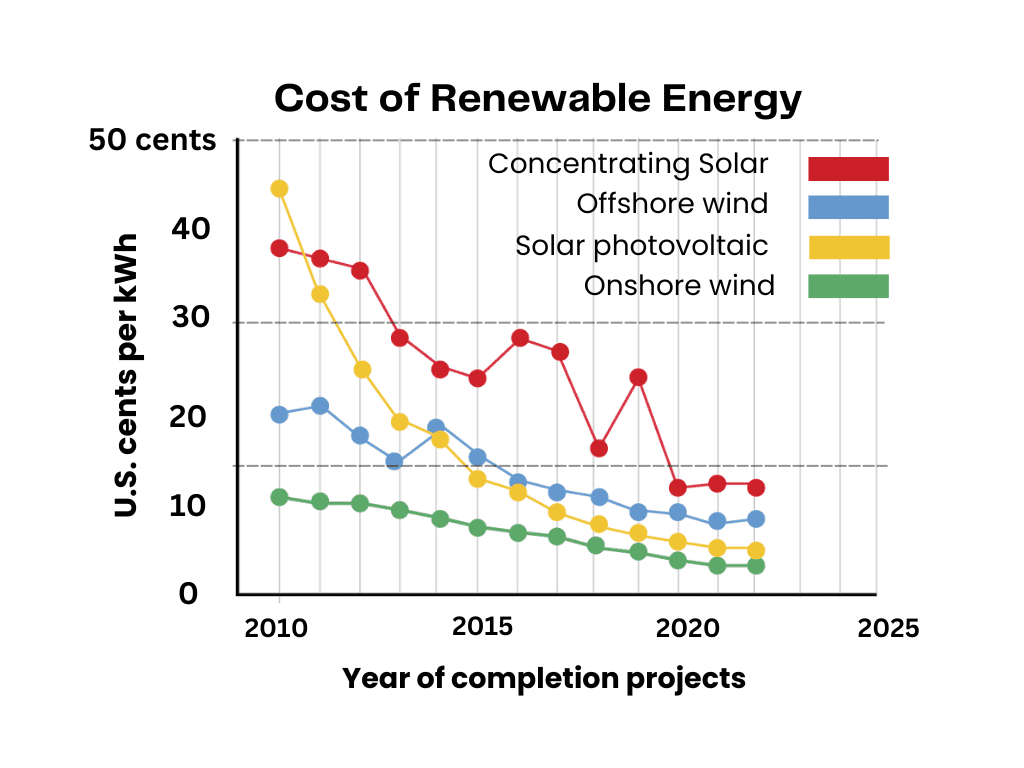
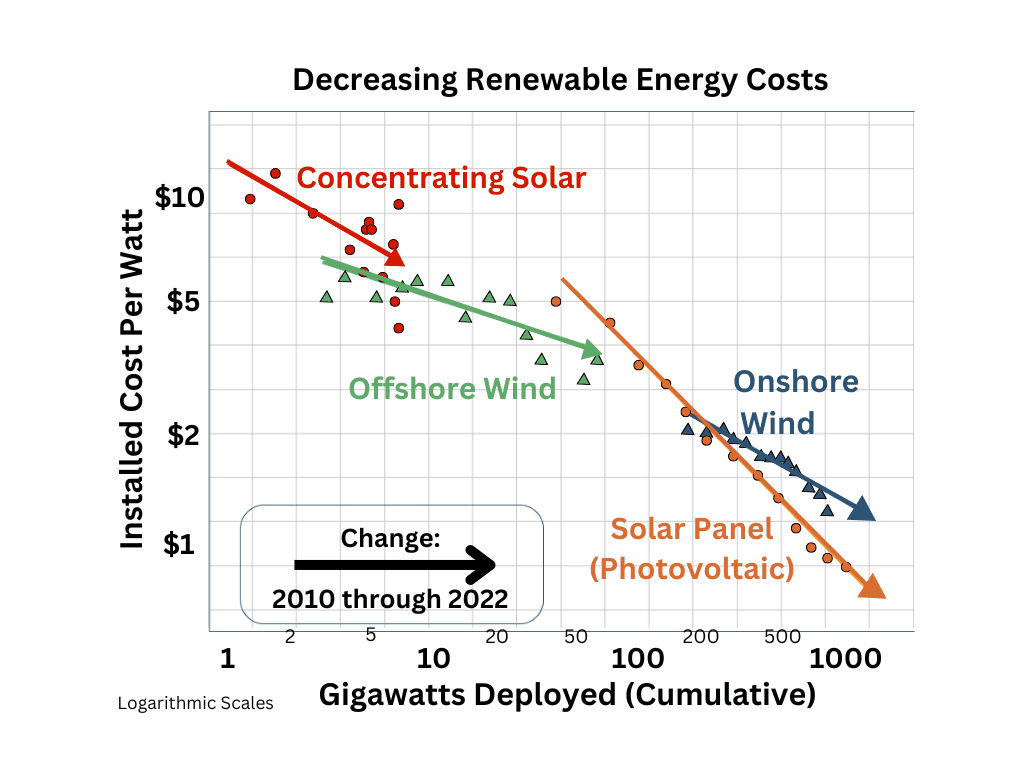
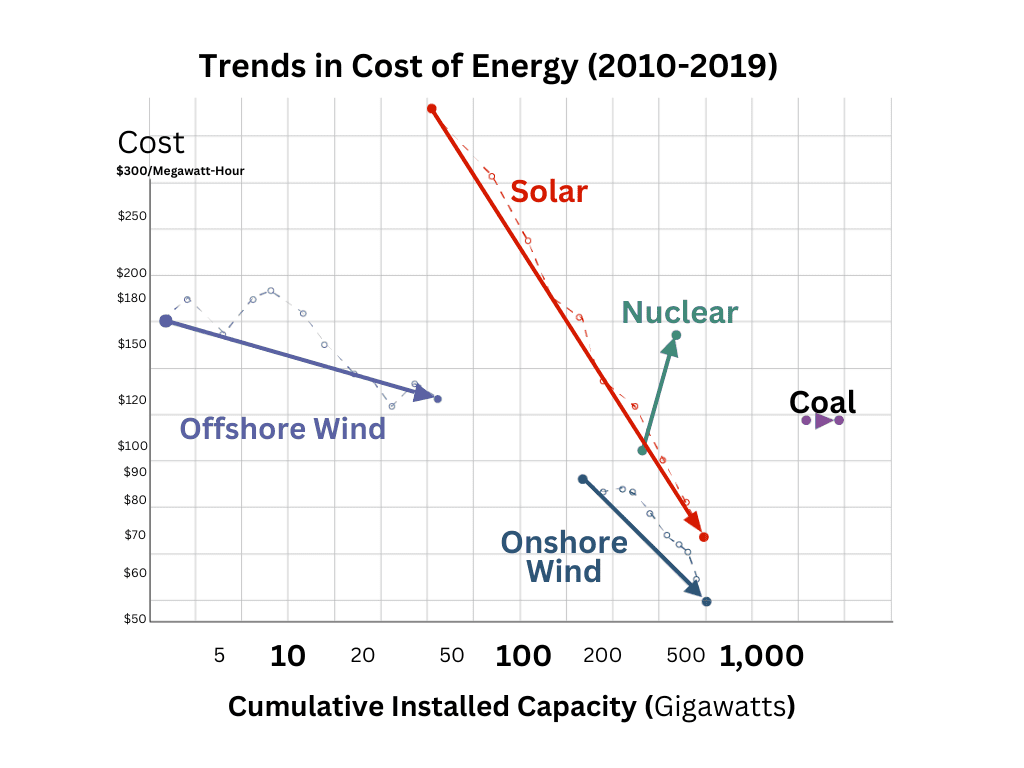
Understanding the relative costs of these energy sources enables data centers to select a power mix that balances economic and environmental considerations. As the energy landscape continues to shift, technologies like hydrogen production from renewable sources and nuclear-powered SMRs offer new pathways for achieving a sustainable and cost-effective energy supply.
Despite their potential, there are challenges in the widespread adoption of hydrogen fuel cells and SMRs. The production and storage of hydrogen require significant investment in infrastructure, while SMRs face regulatory hurdles and high initial costs.
However, as the energy industry evolves, partnerships like those between Google and Kairos Power, and Standard Power and NuScale, demonstrate the feasibility and long-term benefits of these advanced energy solutions.
With continuous advancements and strategic investments, hydrogen fuel cells and SMRs could become pivotal in meeting the growing energy needs of data centers, supporting both the industry’s expansion and its commitment to a carbon-free future.
While hydrogen fuel cells provide a flexible backup solution, SMRs are designed to address the need for stable baseload power in larger data center operations.
Modular solutions, such as standard containerized hydrogen production units, can facilitate faster deployment. This modularity allows data centers to quickly adapt to energy needs, ensuring a scalable and efficient transition to clean power sources.